


Catacombs of Lima
Peru

Peru is a land of striking contrasts, rich cultural heritage, and breathtaking natural beauty. Geographically diverse, it stretches from the arid coastal deserts of the Pacific shorelines to the soaring peaks of the Andes Mountains and the lush expanses of the Amazon Rainforest. This varied landscape offers something for every type of traveler—whether it's trekking to high-altitude ruins, exploring cloud forests, or cruising through jungle rivers. Peru’s history is equally compelling, rooted in the legacy of ancient civilizations, most notably the Inca Empire, whose engineering marvels like Machu Picchu and Sacsayhuamán continue to inspire awe. Long before the Incas, the region was home to advanced cultures such as the Moche, Chavín, and Nazca, each leaving behind a rich archaeological footprint, including the mysterious Nazca Lines etched into the desert floor. Peru has also been shaped by Spanish colonial influence, evident in the baroque churches, cobbled streets, and grand plazas of cities like Cusco and Arequipa. Today, Peru is a vibrant mosaic of Indigenous traditions and modern innovation, with colorful festivals, world-renowned cuisine, and an enduring spirit of hospitality. From the mystical Sacred Valley to the remote wonders of the Peruvian Amazon, the country offers limitless opportunities for cultural immersion, adventure travel, and ecological exploration, making it one of South America's most captivating destinations.
Table of Contents

Plaza de Armas, Lima
1
Lima
With its mix of good food, rich history, and easy access to natural and cultural landmarks, Lima offers visitors a well-rounded and memorable experience. Known for its world-class food scene, Lima is home to many Michelin ranked restaurants, as well as traditional spots serving classic Peruvian dishes such as ceviche and lomo saltado. The city also stands out for its rich history and museums—the Larco Museum features beautifully curated collections of pre-Columbian art and artifacts. Lima is also full of historical sites, including the well-preserved colonial buildings around the Plaza Mayor, the Monastery of San Francisco with its famous catacombs, and the nearby ruins of Pachacamac, which date back over a thousand years. For those interested in exploring further, Lima makes a great starting point for day trips to the coastal cliffs, beaches, or even the Paracas National Reserve.
2
Nazca Lines
The Nazca Lines in southern Peru are one of the world’s most intriguing archaeological mysteries and a truly unique destination to visit. Etched into the desert floor more than 1,500 years ago, these massive geoglyphs—depicting animals, plants, and geometric shapes—can only be fully appreciated from the air, offering visitors a breathtaking and iconic experience. What makes the Nazca Lines so fascinating is not only their size and precision but also the unknowns surrounding their purpose; scholars continue to debate whether they served as astronomical calendars, religious symbols, or messages to the gods. The nearby Nazca Lines Observation Tower and short scenic flights give travelers different perspectives of these ancient artworks. Visiting the Nazca Lines is more than just seeing an archaeological site—it’s stepping into a centuries-old mystery that continues to inspire wonder and curiosity.

Nazca Geoglyph
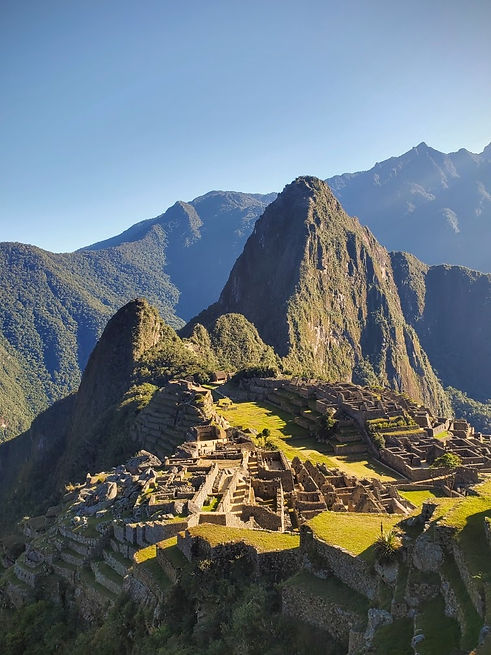
Machu Picchu
3
Machu Picchu
Machu Picchu, one of the most iconic archaeological sites in the world, is a destination that captures the imagination of travelers from every corner of the globe. Perched high in the Andes Mountains, this 15th-century Inca citadel offers breathtaking views, remarkable stone architecture, and a powerful sense of mystery. What makes Machu Picchu so fascinating is how it combines ingenious engineering with deep cultural and spiritual significance—the Incas built the city without mortar, yet its perfectly fitted stones have withstood centuries of earthquakes and harsh weather. Visitors can walk through ancient temples, terraces, and plazas while learning about the Inca civilization’s advanced understanding of astronomy and agriculture. The journey to Machu Picchu is part of its magic too, whether arriving by train through the lush Sacred Valley, or trekking along one of the trails, such as the legendary Inca Trail, surrounded by cloud forests and stunning mountain scenery. Recognized as a UNESCO World Heritage Site and one of the New Seven Wonders of the World, Machu Picchu is not only an extraordinary example of human creativity and resilience but also a moving reminder of the legacy of the Inca Empire.
4
Huaraz
Huaraz, nestled in the heart of the Peruvian Andes, is often called the trekking capital of Peru, and for good reason. Surrounded by the towering peaks of the Cordillera Blanca, including the famous snow-capped Huascarán—the highest mountain in Peru—Huaraz offers some of the most stunning high-altitude landscapes in South America. The region’s trails lead to turquoise glacial lakes, dramatic valleys, and remote mountain passes, making it a paradise for hikers, climbers, and outdoor enthusiasts. Popular routes like the Santa Cruz Trek, Huayhuash, and Laguna 69 hike showcase the area’s breathtaking beauty and are accessible to travelers with varying levels of experience. Beyond its natural wonders, Huaraz provides a glimpse into Andean culture, with local markets, traditional villages, and friendly communities that maintain centuries-old customs. Whether you’re looking for a multi-day mountain adventure or a scenic day hike, Huaraz is one of Peru’s top destinations for trekkers, nature lovers, and explorers alike.

Santa Cruz Trek

Sarcophagi of Karajía
5
Chachapoyas
The area around Chachapoyas, in northern Peru, is home to some of the country’s most fascinating and less-visited archaeological sites, offering a glimpse into the mysterious Chachapoya civilization, often called the “Warriors of the Clouds.” The most famous site is Kuélap, a massive stone fortress perched on a mountain ridge, built centuries before Machu Picchu. With its towering walls, circular stone dwellings, and intricate carvings, Kuélap reveals the sophistication of this ancient culture and provides sweeping views of the Utcubamba Valley below. Beyond Kuélap, visitors can explore other remarkable sites like the Karajía Sarcophagi, where mummified remains are encased in tall clay figures set high into cliff faces, and the Revash tombs, a collection of colorful mausoleums built into rock walls. The surrounding region is also rich in natural beauty, with waterfalls, cloud forests, and traditional Andean villages that add to the sense of discovery.
6
Cusco
& The Sacred Valley
Cusco and the Sacred Valley form the historical and archaeological heart of the Inca Empire, offering a deep connection to Peru’s ancient past. Once the capital of the Inca civilization, Cusco was the political, spiritual, and cultural center of the Andes, and its streets still reflect that heritage, with finely crafted Inca stone walls standing alongside colonial-era architecture. Just beyond Cusco lies the Sacred Valley of the Incas, a fertile region dotted with ancient temples, terraced hillsides, and traditional villages. Important sites like Pisac, Ollantaytambo, and Moray reveal the Incas’ sophisticated understanding of agriculture, astronomy, and urban design. The valley also offers breathtaking scenery, colorful markets, and a chance to connect with living Quechua culture, where traditions and crafts have been preserved for centuries. Together, Cusco and the Sacred Valley offer a perfect combination of history, archaeology, and natural beauty, making them a top destination for anyone seeking to experience the essence of Peru’s past and present.

Pinkuylluna, Ollantaytambo

Lake Titicaca
7
Lake Titicaca
Lake Titicaca, straddling the border between Peru and Bolivia, offers a unique mix of natural beauty, cultural encounters, and historical significance. As the highest navigable lake in the world, it provides stunning views of deep blue waters framed by snow-capped Andean peaks. Visitors can explore the Uros Floating Islands, built entirely from reeds, or boat over to the Taquile and Amantani Islands, where traditional weaving, farming, and hospitality remain part of daily life. The nearby town of Puno serves as a lively gateway to the region, with colorful festivals, local markets, and stunning lake views. Whether you’re interested in culture, history, or simply the tranquility of nature at high altitude, Lake Titicaca offers a unique travel experience that is a perfect snapshot of the Andean world.
8
Huacachina & Ica
Huacachina, a small desert oasis near the city of Ica, is a worthwhile destination in southern Peru. Surrounded by towering sand dunes, it’s a popular spot for sandboarding, dune buggy rides, and stunning desert sunsets, offering adventure and breathtaking scenery in equal measure. The nearby city of Ica is famous for its vineyards and pisco production, giving visitors the chance to tour distilleries and sample Peru’s national spirit. Together, Huacachina and Ica provide a mix of adventure, relaxation, and cultural experiences, making them a memorable stop for travelers exploring the southern coast of Peru.
9
Arequipa
Arequipa is one of Peru’s most picturesque and culturally rich cities. Its historic center, a UNESCO World Heritage Site, features beautiful colonial buildings, churches, and plazas, including the impressive Santa Catalina Monastery. Surrounded by dramatic volcanoes like Misti and Chachani, Arequipa also offers easy access to outdoor adventures, including hiking and exploring the nearby Colca Canyon, home to the Andean condor. With its blend of history, architecture, and natural beauty, Arequipa is a destination that appeals to both culture lovers and adventure seekers alike.

Huacachina Oasis

Huaca del Luna
10
Trujillo & Around
Trujillo, located on Peru’s northern coast, is a vibrant colonial city surrounded by some of the country’s most impressive archaeological sites, making it a fascinating destination for history enthusiasts. Trujillo charms visitors with its colorful colonial architecture, lively plazas, and rich artistic traditions, including the famous Marinera dance. Just outside the city lie remarkable remnants of ancient civilizations that once flourished in the region. The Chan Chan Archaeological Zone, a UNESCO World Heritage Site, was the capital of the Chimú Empire and is the largest adobe city in the world, featuring intricate wall carvings and expansive courtyards. Nearby, the Huacas del Sol y de la Luna (Temples of the Sun and Moon) are left over from the earlier Moche culture, with beautifully preserved murals and evidence of advanced urban planning. Together, Trujillo and its surroundings offer a perfect blend of colonial charm and ancient wonder, making it one of northern Peru’s most rewarding destinations.

How to Get Around
International flights coming into Peru will either land in Lima or Cusco. It is also possible to cross the border by road from Ecuador, Brazil, Bolivia, and Chile and even enter via river boats from the Amazon regions of Colombia, Ecuador, and Brazil. Peru is very well connected by bus and this is usually the most affordable way to get from place to place. There are also many commercial flights operating within the country which can be good for travelers who are short on time or those needing to go a long distance, from Lima to Cusco, for example. Most Peruvian cities are very walkable with the main tourist attractions concentrated in the central historical districts, which is usually the best place to find accommodation as well. The exception to this is Lima which is a vast, sprawling city with many different neighborhoods. Fortunately, the city has an efficient and cheap metro line that spans most of the districts. Rideshare apps like Uber and InDrive are also a great way to get around and are usually a little bit cheaper than taking a taxi.

Safety
Peru is widely considered a very safe destination for travelers, especially in popular tourist areas like Cusco, Arequipa, and Machu Picchu. The country has a well-established tourism infrastructure, and millions of visitors travel there safely each year. However, like any destination, it's important to stay aware. Petty crime such as pickpocketing can occur, particularly in crowded places and on public transportation. Travelers are advised to take standard precautions such as avoiding isolated areas at night, keeping valuables secure, and using reputable transportation and tour services. Additionally, political demonstrations and protests can occasionally occur, sometimes disrupting transportation or access to certain areas. These events can be unpredictable, so travelers should avoid protests and large gatherings, stay informed through local news and hotel staff, and follow the guidance of local authorities. With proper preparation and awareness, most travelers enjoy a safe and rewarding experience in Peru.
Suggested Itineraries
North- 3 weeks
Days 1-3: Start in Lima
-
Larco Museum
-
Pucllana
-
Day trip to Pachacamac
Day 4: Bus to Huaraz
Days 5-10: Huaraz
-
Acclimatize/hike up to Mirador de Rataquenua
-
Hike to Laguna 69 or Laguna Paron
-
Day trip to Pastoruri Glacier or Chavín de Huántar
-
Take on the Santa Cruz trek (4 days) or the Huayhuash (8 days)
Day 11: Bus to Trujillo
Days 12-13: Trujillo sites
-
Chan Chan, Huaca de la Luna, and Huaca del Sol
-
Beach and surfing at Huanchaco
-
Catch a Marinera (Peruvian horse dancing) show
Day 14: Bus to Cajamarca
Day 15: Cajamarca
-
Historical Center, and ransom room of last Incan emperor
-
Ventanillas de Otuzco
Day 16: Bus or minivan to Chachapoyas
Days 17-21: End in Chachapoyas
-
Kuélap
-
Sarcophagi of Karajía
-
Mausoleum of Revash
-
Gocta Waterfall
-
Leymebamba Museum
-
Fly back to Lima, head north into Ecuador, or east into the jungle

Lima

Cusco
South- 3 weeks
Days 1-3: Start in Lima
-
Basilica and Convent of San Francisco
-
Historical Center, Miraflores, Barranco, and Chinatown
Day 4: Bus to Paracas
Day 5: Paracas
-
Take a tour to spot wildlife in the Ballestas Islands
-
Take a dune buggy through Paracas National Reserve
Day 6: Bus to Huacachina
Days 6-8: Huacachina and Ica
-
Nazca Lines
-
Sand boarding and sunset on the dunes
-
Visit some bodegas in Ica, making traditional wine and pisco, Peru's national drink
Day 9: Bus to Arequipa
Days 10-11: Arequipa
-
Historical Center
-
Colca Canyon
Day 12: Bus to Puno
Days 13-15: Lake Titicaca
-
Uros Floating Islands and Taquile Island
-
Sillustani Funeral Towers
Day 16: Bus to Cusco
Days 17-21: End in Cusco and the Sacred Valley
-
Machu Picchu
-
Archaeological sites in Cusco and around the Sacred Valley
-
Fly out of Cusco or head back towards Lake Titicaca to continue to Bolivia