


Ingapirca Trek
Ecuador

Ecuador is a country of remarkable diversity, vibrant cultures, and awe-inspiring natural wonders packed into a relatively small territory. Straddling the equator, it encompasses four distinct regions: the mist-shrouded Andes Highlands, the lush and wildlife-rich Amazon Rainforest, the fertile Coastal Plains, and the world-famous Galápagos Islands—an ecological treasure that inspired Darwin’s theory of evolution. This unique geography offers travelers an extraordinary range of experiences, from hiking snow-capped volcanoes like Cotopaxi and Chimborazo to navigating winding jungle rivers, wandering through cloud forests teeming with rare species, or exploring pristine Pacific beaches. Ecuador’s cultural tapestry is equally rich, shaped by Indigenous civilizations whose traditions endure in vibrant markets and ancestral crafts. The legacy of Spanish colonialism is evident in the elegant plazas, ornate churches, and beautifully preserved historic centers of cities like Quito and Cuenca—both recognized as UNESCO World Heritage Sites. With its welcoming people, extraordinary biodiversity, and deep cultural roots, Ecuador offers travelers a perfect opportunity for adventure, ecological discovery, and cultural immersion in the heart of South America.
Table of Contents


Cathedral of Quito
1
Quito
Quito is a standout destination in South America, offering a mix of stunning scenery, rich history, and lively urban culture. Set high in the Andes and framed by the Pichincha volcano, the city boasts impressive views in every direction. Its historic center—one of the first UNESCO World Heritage Sites—is filled with beautifully preserved churches, plazas, and colonial buildings that are easy and enjoyable to explore. Quito also has modern neighborhoods with great restaurants, cafés, and art spaces. With attractions like the teleférico, vibrant markets, and excellent museums, there’s plenty to see and do. Thanks to its central location, it’s also an ideal base for visiting the Andes, cloud forests, and even the Amazon, making Quito a convenient and rewarding place to begin any Ecuador adventure.

2
Quilotoa Loop
The Quilotoa Loop is a popular backpacker destination because it blends dramatic natural scenery, rich Indigenous culture, and affordable adventure. The route winds through rugged Andean highlands and small villages, with the highlight being the striking emerald-green Quilotoa crater lake formed inside a volcanic caldera. Backpackers are drawn to the loop for its flexible hiking options, which most people complete in one to four days on foot, depending on pace and route. Along the way, hikers pass through towns such as Sigchos, Isinliví, Chugchilán, and Quilotoa, where local guesthouses, homestays, and traditional markets offer glimpses into rural life. With its well-marked trails, budget-friendly accommodations, and sweeping mountain views, the Quilotoa Loop is an accessible and rewarding experience for both first-time and seasoned hikers.

View of countryside along Quilotoa Loop

Cotopaxi Volcano
3
Cotopaxi National Park
Cotopaxi National Park is a popular backpacker destination thanks to its striking landscapes, diverse outdoor activities, and easy access from Quito. Dominated by the snow-capped Cotopaxi volcano—one of the highest active volcanoes in the world—the park offers sweeping views across open páramo grasslands and rugged volcanic terrain. Visitors can explore around Limpiopungo Lake, hike a wide variety of high-altitude trails, and spot wildlife such as wild horses and Andean birds. For more adventurous travelers, climbing Cotopaxi is possible, though the ascent is challenging and requires proper acclimatization, equipment, and a certified guide. With affordable transport options, camping areas, nearby hostels, and trails suited to all skill levels, the park delivers both accessibility and adventure, making it a must-visit destination for backpackers in Ecuador.

4
Baños
Baños de Agua Santa, or Baños, as it is commonly referred to, is a popular backpacker destination best known as the country’s adventure sports hub. Located between lush cloud forests and the active Tungurahua volcano, the town offers a wide range of adrenaline-filled activities such as waterfall rappelling, canyoning, zip-lining, whitewater rafting, and mountain biking along the famous Ruta de las Cascadas. Travelers can hike to scenic viewpoints, cross dramatic suspension bridges, swing high above deep valleys, or cycle past powerful waterfalls before unwinding in the town’s natural hot springs. The surrounding rivers, cliffs, and forests create an ideal setting for outdoor exploration, with activities suited to both beginners and experienced thrill-seekers, ensuring there is never a dull moment for adventure lovers. Combined with affordable hostels, a lively backpacker scene, and easily accessible guided tours, Baños is a standout destination for travelers seeking nonstop adventure, stunning natural scenery, and a vibrant community of fellow explorers in Ecuador.
Waterfall Rappelling

Cathedral of Cuenca
5
Cuenca
Cuenca is a charming and culturally rich city known for its beautifully preserved colonial architecture, cobblestone streets, and vibrant plazas, impressive cathedrals, and museums. Surrounded by scenic rivers and the nearby Cajas National Park, Cuenca provides opportunities for hiking and outdoor adventures as well. With its welcoming locals, affordable accommodations, and slower pace compared to larger cities like Quito or Guayaquil, Cuenca is an ideal destination for travelers seeking history, art, and authentic Ecuadorian experiences.
6
Otavalo
This vibrant destination draws travelers with its rich culture and stunning Andean scenery. It is best known for its famous Otavalo Market, one of the largest indigenous markets in South America, where visitors can find handmade textiles, jewelry, crafts, and traditional clothing. For travelers coming from Quito, it’s also easy to visit the Equator line along the way, adding a unique and memorable stop. With its combination of culture, shopping, natural beauty, and nearby excursions, Otavalo is a must-visit destination in Ecuador.
7
Ingapirca
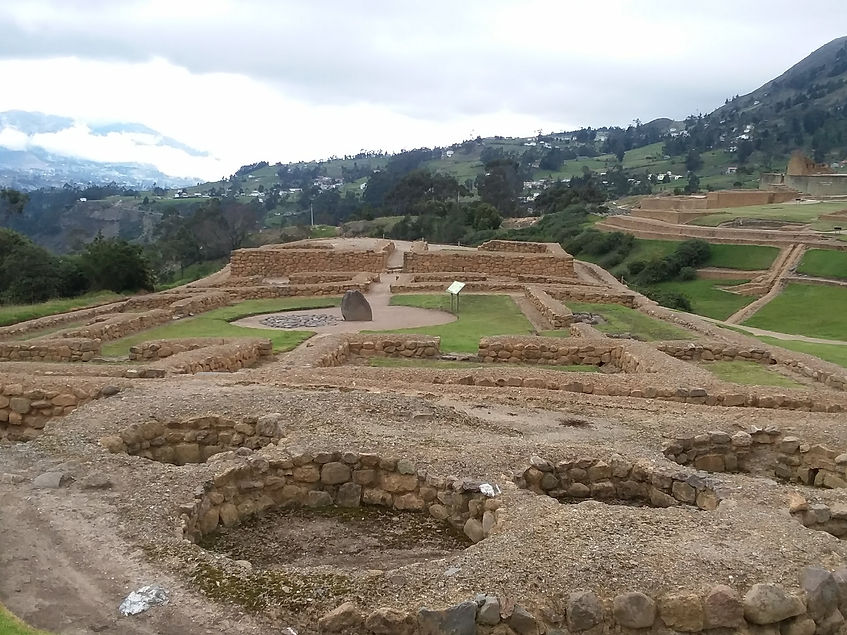
Ingapirca, Ecuador’s most important Inca archaeological site, is a fascinating destination for history lovers. Often called the “Machu Picchu of Ecuador,” Ingapirca features well-preserved ruins, which showcase the advanced engineering and cultural fusion of the Inca and Cañari civilizations. The site is accessible by road from both Cuenca and Guayaquil, making it convenient for travelers exploring southern Ecuador. For those seeking more adventure, there is a trek from Achupallas to Ingapirca that follows part of the ancient Inca trail and typically takes three days to complete. The route winds through remote Andean valleys and highland pastures, offering an off-the-beaten-track experience. Along the way, hikers pass a small ruin—believed to have served as a storehouse or outpost for the Incas—which also makes for a great camping spot. Camping beside the ruins under the stars, it’s easy to imagine Incan messengers and travelers doing the same hundreds of years ago. This journey offers a perfect blend of history, culture, and breathtaking scenery, making it as memorable as the destination itself.

Temple of the Sun

Playa Montañita
8
Montañita
Montañita is a lively coastal town famous for its fun beach culture, surfing, and nightlife, making it a top destination for backpackers and young travelers. With golden sands, warm Pacific waters, and consistent waves, it’s a paradise for surfers, while the town’s laid-back atmosphere attracts those looking to relax, meet fellow travelers, or enjoy live music at beachside bars. Montañita is especially famous for its big Carnival party, a colorful and festive celebration filled with music, dancing, foam and water fights, and street festivities that draw both locals and tourists from across Ecuador. Beyond Montañita, the area provides easy access to other coastal towns such as Ayampe, Olón, and Puerto López, each offering their own beaches, wildlife experiences, and quieter atmospheres for exploration. With affordable hostels, a bustling social scene, and a mix of adventure, relaxation, and cultural festivities, Montañita is a must-visit for travelers wanting a lively beach town full of sun, surf, and unforgettable experiences.

9
Amazon
10
Galápagos Islands
The Galápagos Islands are world-famous for their unique wildlife, stunning landscapes, and crucial role in shaping Charles Darwin’s theory of evolution. Visitors can encounter species found nowhere else on Earth, from giant tortoises and marine iguanas to blue-footed boobies and playful sea lions. The islands’ dramatic scenery—volcanic cliffs, pristine beaches, and crystal-clear waters—makes them a paradise for snorkeling, diving, hiking, and wildlife photography. The Galápagos Islands are once-in-a-lifetime destination for nature lovers and adventure seekers alike.
The Ecuadorian Amazon is a lush, biodiverse region that offers an unforgettable rainforest experience. Visitors can explore dense jungles, winding rivers, and vibrant wildlife. The Amazon is easily accessed from jumping-off towns like Tena, Coca, and Puyo, which serve as gateways to a variety of eco-lodges and guided tours. Popular protected areas and national parks such as Yasuní National Park and Cuyabeno Wildlife Reserve allow visitors to hike, kayak, and spot incredible wildlife while learning about the region’s Indigenous cultures. With its combination of adventure, wildlife encounters, and cultural immersion, the Ecuadorian Amazon is a must-visit destination for anyone seeking a true jungle adventure.

Mirador Indichuris near Puyo

How to Get Around
International flights to Ecuador typically arrive in either Quito or Guayaquil, the country’s two major gateway cities. Travelers can also enter by land from Colombia or Peru, with several border crossings offering bus and private transport connections. Within the country, Ecuador is well linked by an extensive and affordable bus network, making it easy to travel between coastal towns, Andean cities, and Amazonian communities. For those short on time, domestic flights operate regularly between major destinations such as Quito, Guayaquil, Cuenca, and the gateway airports for the Galápagos Islands. Many Ecuadorian cities are very walkable, with key attractions clustered around central plazas and colonial districts. Quito is larger and more spread out, though it has an efficient public transit system that includes the modern Quito Metro and a network of trolleybuses and rapid-transit lines. Rideshare apps like Uber and InDrive are widely used in urban areas and often provide a safer and more affordable alternative to traditional taxis.

Safety
Ecuador is considered one of the more traveler-friendly countries in the region, and most visitors explore its cities, mountains, and natural areas without encountering serious problems. Tourist hubs like Cuenca, Otavalo, the Galápagos, and many parts of Quito’s historic center tend to feel comfortable and well-patrolled. Even so, it’s important to stay mindful of your surroundings, particularly in bus stations, busy markets, and large urban areas where petty theft can happen. Simple precautions—such as keeping bags zipped, avoiding displaying expensive items, and choosing trusted taxi or rideshare services—go a long way. In some regions, especially along major highways or in the highlands, occasional demonstrations or road closures can temporarily disrupt travel plans. These situations are typically peaceful but can cause delays, so it’s helpful to monitor local updates and adjust plans if needed. Overall, with basic awareness and informed planning, travelers typically find Ecuador to be a safe, friendly, and rewarding place to explore.
Suggested Itineraries

North- 3 weeks
Days 1-5: Start in Quito
-
Teleférico Quito
-
National Museum of Ecuador
-
Historic Center
-
Hike Rucu Pinchincha
-
Day trip to Mitad del Mundo (equator)
-
Day trip to Otavalo (Saturday is the biggest market day)
Day 6: Bus or Fly to Coca
Days 7-11: Coca and Yasuní National Park
-
Day trip from Coca or stay in a jungle lodge downriver for a more immersive experience
Day 12: Bus or Fly to Quito
Days 13-16: Cotopaxi National Park
-
Go hiking on one of the various trail options
-
Horseback riding and mountain biking are popular
-
Attempt to summit the volcano after proper acclimatization
Day 17: Bus to Latacunga and then Quilotoa Loop starting point
Days: 18-21: Quilotoa Loop
-
Though you can start anywhere, the standard 4-day route is Sigchos-Isinliví-Chugchilán-Quilotoa
-
Continue onto the southern itinerary or head back to Quito
*Consider flying to the Galápagos Islands from Quito

Cotopaxi National Park

Puyo
South- 3 weeks
Days 1-3: Start in Banos
-
Go whitewater rafting
-
Relax in the thermal baths
-
Go canyoning or repel down a waterfall
Day 4: Bus to Puyo
Days 5-8: Puyo and the Amazon
-
Go on a chocolate making tour
-
Venture into the jungle for the day or a multi-day experience
Day 11: Bus to Cuenca
Day 12: Cuenca
-
Historical Center
Day 13: Bus to Alausi
Days 14-16: Ingapirca Trek
-
Trek a section of the Incan trail from Achupallas to the ruins of Ingapirca
-
Good spots to camp include small alpine lakes and the "paredones" which are believed to be an Incan storehouse or waystation
-
3 days is recommended
Day 17: Bus to Guayaquil and then Montañita
Days 18-21: Montañita
-
Relax on Playa Montañita or try out surfing
-
Enjoy the lively nightlife scene
-
Day trip to nearby beaches for a change of scenery or different vibe
*Consider flying to the Galápagos Islands from Guayaquil